From Fresh Food to First Businesses: How Local Markets Are Supporting Health and Entrepreneurship in Stafford Virginia – March 2026
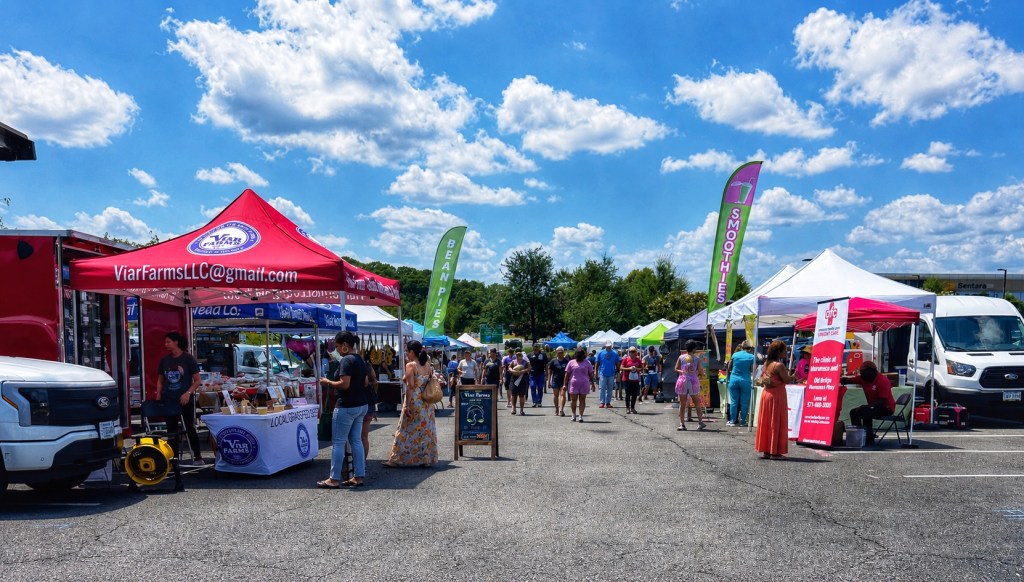
On any given Sunday morning in Stafford, what was once a commuter parking lot transforms into something entirely different. Tents line the pavement, tables fill with fresh produce and handmade goods, and a steady flow of visitors moves through, not just to shop, but to connect.
At first glance, it looks like a typical farmers market. But beneath the surface, something more is happening.
Across the Fredericksburg region, local markets are increasingly serving a dual role: improving access to fresh, nutritious food while also creating space for new business owners to get their start.
Both needs are growing.
As food costs continue to rise, many families are looking for ways to bring fresher, less processed options into their diets without sacrificing affordability. At the same time, more people are exploring small business ownership, whether to supplement their income, pursue a passion, or build something of their own.
For many, traditional paths into business can feel out of reach. The cost of opening a storefront, maintaining inventory, and managing overhead presents a significant barrier, particularly for first-time entrepreneurs.
Local markets offer an alternative.
They provide a lower-risk entry point where people can test products, refine their offerings, and build a customer base through direct interaction. Instead of launching fully formed, businesses can grow gradually, adjusting week to week based on feedback and demand.
In Stafford, that model has been quietly taking shape for more than a decade.
The weekly market at the 610 Slug Lot has become a consistent platform for small-scale entrepreneurs, many of whom are launching their businesses for the first time. Some begin with a single product, such as baked goods, prepared foods, or handmade items, and expand over time. Others use the experience to find out whether their concept is viable before making larger investments.
At the same time, the market plays an important role in food access. Fresh produce, prepared foods made with simple ingredients, and locally sourced items give residents the opportunity to make different choices about what they bring home to their families. For some, it’s about quality. For others, it’s about convenience. And for many, it’s about becoming more intentional with what they eat.
This intersection, where food and business meet, reflects a broader shift in how communities function.
Markets are no longer just places of transaction. They are becoming spaces of participation.
Customers engage directly with the people who grow, make, and prepare what they sell. Business owners gain immediate feedback and build relationships that extend beyond a single purchase. And the community benefits from a more connected, local economy.
The impact is not always immediate or obvious. It builds over time, through repeated interactions, returning customers, and small businesses finding their footing. Some of those businesses will grow beyond the market. Others will remain intentionally small. Either way, the role of the market remains the same: providing a place to begin.
As interest in both health and entrepreneurship continues to grow, these spaces are becoming increasingly important, not just for what they offer, but for what they make possible.
In a region that continues to expand and evolve, that kind of access, to both fresh food and opportunity, matters.
Visit Stafford Farmers Market on Sundays, or learn how to become a participating business.


Leave a comment